The most common cause of idiopathic nephrotic syndrome in children is:
- Aminimal change glomerulopathy
- Bmesangial proliferative glomerulonephritis
- Cfocal segmental glomerulosclerosis
- DIgA nephropathy
- Eacute post-streptococcal nephritis.

Browse exam questions.
Share of each category in the latest available session.
The most common cause of idiopathic nephrotic syndrome in children is:
A 7-month-old boy presented with a 2-day history of fever up to 39 °C. General condition was good. Physical exam revealed pharyngitis only. On the day 3 temperature normalized and multiform macular, pink-red rush fading under pressure was observed,. What is the most probable aetiology of the presented case?
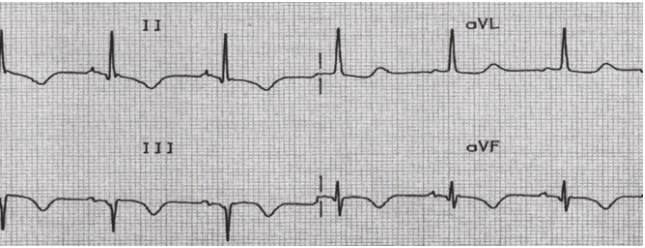
A 62-year-old patient was admitted to the hospital complaining of parasternal pain lasting for approx. 1 hour. ECG revealed negative T waves in leads II, III and aVF. The patient’s condition could be assessed with the use of the following grading scale:
Fever in a patient with breast cancer who recently received a subsequent course of adjuvant postoperative chemotherapy:
Carcinoembryonic antigen level assessment is of most value in:
Haemolytic-uraemic syndrome is:
Live, attenuated vaccines include:
1) BCG
2) DTP
3) MMR
4) OPV
5) IPV
In obstetrics, the term position (positio) means:
The management of febrile convulsions in children includes:
The doctor stating death is obliged to immediately notify the police or the prosecutor if:
1) they are unable to determine the cause of death;
2) the deceased does not have a next of kin within the meaning of Article 3 of the Act on
Patients’ Rights and the Ombudsman for Patients' Rights;
3) they have a justified suspicion that a crime was the cause of death;
4) they have a justified suspicion that suicide was the cause of death;
5) they are unable to establish the identity of the deceased;
The correct answer is:
Medical Rescue Team with the doctor was called to a 32-year-old man who was under the influence of designer drugs. These drugs caused the patient to react aggressively. What are the conditions under which it is possible to apply direct coercion in this patient?
1) it can be applied only if the doctor diagnoses the patient with mental illness;
2) doctor is allowed to apply it if they obtain consent from a medical specialist in psychiatry appointed by the province governor;
3) patient’s behavior poses a threat to his life or health;
4) it is only possible to hold the patient down and to immobilize him. However, the doctor is not allowed to force the patient to take medication;
5) before applying direct coercion the doctor should warn the patient.
The correct answer is:
In post-exposure prophylaxis against tetanus in the patient who is at a small risk of infection and vaccinated four years ago, the following is recommended:
Indicate the true information on Alport’s syndrome of sex-linked inheritance:
1) it is caused by inherited defect in alpha 5 collagen IV chain synthesis and leads to end-stage renal disease;
2) women (heterozygotes) are healthy gene carriers or they have only mild symptoms;
3) haematuria and proteinuria occur in men at around 10 years of age;
4) therapy with cyclosporine inhibits the development of the disease;
5) angiotensin converting enzyme inhibitors are used to decrease proteinuria.
The correct answer is:
According to the current Polish National Program of Immunizations, which of the statements below is false in case of a child with the birth weight of 1700g?
Which of the following ways of treatment restores the anti-reflux barrier in gastroesophageal reflux disease?
Which of the following are not classified as internal abdominal hernias:
Which of the following accesses to the digestive tract can be used in nutritional therapy?
The following symptoms, such as rapid and irregular breathing, extension of the limbs in reaction to external stimuli, bilateral Babinski sign, impaired pupil reaction to light, increased blood pressure, pulse acceleration and increased sweating indicate the contusion of:
A skin disease of non-bacterial etiology is:
A 35-year-old man was admitted to the Emergency Unit because of black stools occurring for a few hours. He is also suffering from haemophilia A. The primary treatment should include:
A homeless with clear symptoms of peritonitis was taken to a private hospital admission room. The hospital is able to help the patient but it does not have the contract signed with the National Health Fund (NFZ) for this type of medical services. How should the doctors proceed?
The first-choice drug used in treatment of acute liver failure related to paracetamol (acetaminophen) overdose is:
Which of the following is not considered in the assessment of the thromboembolic complication risk in patients with non-valvular atrial fibrillation, according to CHA2DS2 VASc scale:
Which of the following medications can cause hypercalcemia?
1) calcimimetics;
2) thiazides;
3) lithium;
4) calcium receptor antagonists;
5) vitamin D.
The correct answer is:
A simultaneous increase in prothrombin time (PT) and in activated partial thromboplastin time (APTT) is characteristic of:
Indicate the false statement on vaccinations against influenza:
Patient with the following set of viral markers: HBsAg plus, HBeAg plus, anti-HBc IgM minus, anti-HCV minus should be regarded as:
The cause of hypouricemia is not:
Which of the following disorders are causes of secondary arterial hypertension: 1) primary hyperaldosteronism; 2) renal artery stenosis; 3) obstructive sleep apnea; 4) hypo- or hyperthyroidism; 5) acromegaly; 6) coarctation of the aorta. The correct answer is:
An example of serotonin norepinephrine reuptake inhibitor (SNRI) is:
According to the rule of nines, a burning of both lower limbs and the scrotum in adult patients affects:
Which of the following should be given to a patient with hyperkalemia at the level of 7 mmol/l, if the ECG shows toxic influence of potassium on the heart muscle?
In accordance with the law on old age and disability pensions paid from SIF, an insured person who does not agree with the SIF certifying doctor’s ruling is allowed to appeal within 14 days of the date of receiving the ruling to:
A 44-year-old women with lupus nephritis diagnosed 20 years earlier comes to the emergency room because of a head injury, without any other symptoms. She is treated with prednisone 10 mg/d and azathioprine 50 mg/d. The urinalysis revealed proteinuria - 0.1 mg/dL, 50-100 white cells and a lot of bacteria in the field of view. Which of the following should be ordered?:
A 2-year-old boy was admitted to the hospital because of a high fever in the last 7 days and neck lymphadenopathy. On the 5th day of the fever maculopapular eruptions occurred in the area of the crotch and on the trunk. Conjunctivitis, red lips and „strawberry” tongue were also noted. Laboratory tests showed elevated markers of inflammation (CRP), thrombocytosis, anemia, ALT = 100 U/L, AST = 85 U/L, normal coagulation tests. Which of the following diagnoses is the most probable?
Meningeal irritation symptoms observed in children include:
1) Flatau’s sign;
2) Brudzinski’s symphyseal sign;
3) Lasègue’s sign;
4) Amoss’ sign;
5) Kernig’s sign.
The correct answer is:
Subacute sclerosing panencephalitis (SSPE) occurs with higher rate in children suffering in the early childhood (under 2 years of age) from:
I-metaiodobenzylguanidine (MIBG) scintigraphy is a method used in children for the diagnosis of:
Indicate the true statement concerning ovarian cancer surgery:
When should the next cytological examination be ordered in a 35-year-old multipara with normal results of the last three cytological examinations and without any risk factors?
A patient with hypothyroidism should be instructed to take levothyroxine:
A patient with her husband come to the gynaecologist’s office. The husband wants to be present at the examination. What should the doctor do?
1) they should allow the husband to be present at the examination because husband as a close person has the right to be present at the provision of health services;
2) if the patient does not give her clear consent to her husband’s presence, they should ask him to leave;
3) they may not allow the husband to be present at the provision of health services to his wife if they decide that the patient’s health safety is at stake;
4) they should let the husband assist because her silence should be interpreted as implicit consent;
5) regardless of circumstances and the patient’s will they should ask the husband to leave because the examination may violate the patient’s right to intimacy.
The correct answer is:
The doctor while giving medical services to his patient finds out that they suffer from infectious, sexually transmitted disease. What should he do?
1) he should immediately pass on the information to the appropriate voivode, who can take a decision to isolate the patient;
2) he should force the patient to stay in place and immediately call the sanitary services;
3) he should inform the patient about the means that prevent the disease from spreading;
4) he has the duty to inform the patient of the necessity that their sexual partner consult a doctor;
5) he must immediately let all the people closely associated with the patient know and warn them about the threat.
The correct answer is:
Epidemiological surveillance of hospital-related infections in healthcare includes all the following except for:
Inferior wall ST segment elevation myocardial infarction (STEMI) in a 48-year-old male can be recognized in the case of a typical chest pain and persistent ST-segment elevation in J point of ≥ 0.1 mV in leads:
Alfa-fetoprotein is a laboratory indicator of:
Which of the following signs and symptoms is not typical of iron-deficiency anemia?
Because of suspected hypothyroidism the physician ordered the measurement of TSH and fT4 levels. TSH was elevated and fT4 was within limits. What diagnosis should be formulated considering there laboratory findings?
Extranodal lymphoma is most commonly localized in:
Which of the following can be classified as the grade II according to Hinchey classification of complications caused by diverticulitis?
Emergency indications for surgery in a patient with Crohn disease:
A young female patient gave birth to her child about a year ago through the vaginal delivery, after which curettage was necessary because of fragments of the placenta did not separate from the uterus. She stopped breastfeeding 4 months ago, but the periods have not reoccurred yet. Her medical history may suggest:
The total dose of N-acetylcysteine used intravenously in paracetamol intoxication amounts to:
The Mallampati classification is used to predict the difficulties in endotracheal intubation. What class according to this classification is assigned to the situation where the soft palate is not visible in a patient with their mouth open?
The 3rd class in ASA (American Society of Anesthesiologists) physical status classification system denotes:
Which of the following medications are used to treat dementia in Alzheimer’s disease?
1) mianserin;
2) mirtazapine;
3) memantine;
4) rivastigmine;
5) duloxetine.
The correct answer is:
MMSE (Mini Mental State Examination) and clock-drawing test are recommended for the screening for:
Indicate the false statement concerning the management of streptococcal pharyngitis;
Which of the following activities are characteristic of six-month- old infants?
A 5-year-old child presents with his mother to obtain a vaccination against flue. The medical documentation shows that child underwent 10-day antibiotic therapy because of streptococcal pharyngitis which was withdrawn two weeks ago. Which of the following should be recommended?
According to the Act on the Professions of Physician and Dentist, the right to perform the profession of doctor and the right to perform the profession of dentist (in other words, the medical license) is granted by:
Indicate the false statement concerning the use of loop diuretics in patients with arterial hypertension and chronic kidney disease:
Gastroesophageal reflux in physiological conditions is a short-term phenomenon. But if it lasts long or the episodes of reflux are frequent it could be the cause of gastroesophageal reflux disease (GERD). Alarming signs of GERD do not include:
Which of the following is introduced into the peritoneal cavity in order to produce pneumoperitoneum during the laparoscopic procedure?
Which of the following blood vessels is used in the non-invasive ultrasound evaluation of foetal anaemia?
Which of the following is not a typical complication of gestational diabetes?
Which of the following fetal head circumferences is the smallest?
What kind of study is a cohort study?
Coughing up of more than 100 ml of blood in a short time suggests massive hemoptysis and is an indication for:
Systematic, internally coherent and logical system of delusions may occur in:
A 32-year-old male was transported to the emergency department with the signs of progressive hypovolemic shock. The patient demands quick fluid replacement. Which access and which cannula should be chosen?
A patient with an implanted pacemaker fainted in the street. The arriving emergency team diagnosed cardiac arrest and the ECG monitor showed ventricular fibrillation. Should the rescuers perform defibrillation in this patient?
Which of the following characterizes pulsus bisferiens?
Which of the following is not typical of Henoch-Schönlein purpura?
In a neonate the signs of respiratory distress are observed after the birth: cyanosis, dyspnoe, tachypnoe and scaphoid abdomen. These are indicative of:
A 12-year-old dyslectic boy complains of painful nodules on the abdomen. At least 8 spots of cafe au lait type with the diameter of about 10 mm were noted as well as freckle-like dots in the armpits. Which specialist outpatient clinic should he be immediately referred to?
A patient was admitted to the surgical ward with thermal burns of second degree covering the anterior surface of the chest and both upper limbs. Calculate the extent of the burns according to the rule of nines and the volume of fluids that should be given within 24 hours according to Parkland formula:
In a patient with a head injury after a car accident, the following are found:
- anisocoria L>R
- opening the eyes only to a strong pain stimulus
- the patient makes incomprehensible sounds
- when establishing venous access, the patient withdraws his hand
Indicate the GCS score and whether the patient requires endotracheal intubation.
The diagnosis of endometriosis should be considered in all the following conditions, except for:
Chemotherapy as a separate therapeutic strategy (not as a part of a combination therapy) is the most effective in the treatment of:
A desirous transformation of experiences, actions, and expectations upon the influence of emotional attitude that does not reflect reality is called:
Temporary cardiac pacing should be considered in the case of:
1) symptomatic bradycardia refractory to anticholinergic agents;
2) bradycardia in Wolff-Parkinson-White syndrome;
3) symptomatic second-degree atrioventricular block of type 2;
4) symptomatic second-degree atrioventricular block of type 1;
5) asystole with the P wave present on the ECG;
6) third-degree atrioventricular block.
The correct answer is:
In the case of irregularities in issuing statements on temporary incapacity for work, especially when such a statement was issued without direct examination of the insured person or without proper documentations which formed the basis for the stated incapacity for work, the Social Insurance Fund (ZUS) can, as a decision, withdraw the authorization for issuing the statements for the period not exceeding:
The information in the medical ruling on temporary incapacity to work owing to disease, stay in the hospital or another treatment facility working on stationary or round-the-clock basis and stating the circumstances influencing the right to sickness benefit and its amount is given in the form of letter codes. B code means incapacity to work:
Which of the following vaccines may be given to a woman at the 30th week of gestation?
1) against influenza (inactivated vaccine);
2) against chickenpox;
3) against tuberculosis;
4) against diphtheria, tetanus and pertussis (dTpa - an adult type of vaccine);
5) against measles, mumps and rubella.
The correct answer is:
Which of the following is not characteristic of Buerger’s disease?
Indicate the false statement concerning diverticulosis of the gastrointestinal tract:
The absolute indications for the surgical treatment of acute pancreatitis do not include:
The abdominal compartment syndrome does not lead to the decrease in:
A 58-year-old patient complains of vaginal dryness and postcoital bleedings. The gynecological examination reveals atrophic lesions in the vagina and normal uterus and uterine appendages. The cytological smear of the cervix is normal. The local vaginal estrogen therapy has been recommended and thus the patient should:
The treatment of arterial hypertension in pregnant women includes the use of:
A 32-year-old childless patient has a history of 4 miscarriages in the first trimester. The evaluation of the possible causes of miscarriages in this patient should include:
1) diagnostics of Toxoplasma gondii infection;
2) diagnostics of Human Papilloma Virus infection;
3) determination of anti-cardiolipin antibodies;
4) diagnostics of Cytomegalovirus infection;
5) determination of lupus anticoagulant.
The correct answer is:
After the removal of the tick the patient should be instructed to observe the place of the bite for possible appearance of erythema migrans for:
A 44-year-old male complains of severe abdominal pain and hematemesis. On examination: respiratory rate - 24/min, normal respiratory sounds over the lungs, SpO - weak signal, heart rate - 130/min, no pulse on the distal arteries, blood pressure - 75/50 mmHg, the skin is pale and sweaty, on the ECG - a regular rhythm with narrow QRS complexes. Which of the following should be performed?
The use of positive end-expiratory pressure (PEEP):
A 45-year-old woman was admitted to the Emergency Department deeply unconscious, breathing shallowly at the rate of 10/min, with pinpoint pupils, heart rate 60/min, blood pressure 110/60 mmHg, glucose concentration 115 mg/dL. Her medical history includes back pain treated with meloxicam 15 mg daily and 10 mg oxycodone on demand. Indicate the diagnosis and the treatment that should be initiated:
The sickness benefit due to tuberculosis is paid throughout the period of temporary incapacity to work but not longer than:
A biomarker of exposure used in environmental epidemiology to assess the effect of environmental exposure on the examined health outcome is defined as:
Indicate the minimal period of symptom appearance that is the criterion for cyclothymia diagnosis in adults:
Which of the following is characteristic of acute glomerulonephritis?
Which of the following is the most characteristic abnormality in patients with multiple myeloma?
A 82-year-old man was brought to the ER by his son because of the swollen and painful left leg. The patient was diagnosed with pulmonary cancer 2 months ago. Which is the most probable cause of the swelling and the pain in the leg?
Indicate the correct statements concerning acute epiglottitis:
1. it is usually caused by viruses (RS, influenza, parainfluenza, adenovirus)
2. it is caused by bacteria (H. influenzae, S.pneumoniae, S. pyogenes)
3. it develops within several days
4. it develops within several hours
5. it leads to respiratory distress
6. it has a mild course and is treated symptomatically
The correct answer is:
Ointments containing nitroglycerine are used in proctology. In which of the following diseases?
The pregnancy in a patient with chronic hypertension is a high-risk pregnancy and may be complicated with the following disorders except for:
Which of the following is the recommended management of acute bronchitis in adults?
A doctor, after recognizing or suspecting the occurrence of vaccine adverse event, is obliged to report this fact to the state country sanitary inspector not later than within:
A 70-year-old man was admitted to the ER because of an aggravating dyspnoe lasting 2 hours. The patient is chronically treated for diabetes and arterial hypertension. The physical examination showed normal respiratory sounds with bibasal fine crackles. The heart rate was 90/min, blood pressure 190/80 mmHg. The first-choice medication in such a situation is:
The follow- up visit in patients with diagnosed hypertension who has been treated pharmacologically should be scheduled after approx:
Which of the following are used in the treatment of von Willebrand disease?
1) factor VIII concentrate with von Willebrand factor;
2) factor IX concentrate;
3) intravenous immunoglobulins;
4) dexamethasone;
5) desmopressin.
The correct answer is:
A 75-year-old patient who has undergone hip arthroplasty in the last month has dyspnoea, cough, chest pain, tachycardia and fever. These symptoms indicate:
Jaundice, low hemoglobin levels, high reticulocyte count, elevated indirect bilirubin levels, negative direct antiglobulin test, decreased erythrocyte osmotic resistance and abnormal EMA test result point to:
Ulcerative colitis is treated surgically. The gold standard in elective treatment is:
A doctor speaking critically about another doctor's actions should:
Quicktrach is used for:
In the event of a planned surgery in people with diabetes, the surgery should be postponed (if possible) if the HbA1C level exceeds:
Which of the following has the smallest application in the treatment of small-cell lung cancer?
In many countries, the key method of fighting the COVID-19 pandemic in 2019-2020 was the so-called flattening the epidemic curve that serves to:
1) reduce the overall number of cases;
2) spread the number of cases over time;
3) slow down the rate of spread of SARS-CoV-2 infection;
4) counteract the paralysis of treatment under the pressure of new cases;
5) gain time to develop treatment procedures and vaccines.
The correct answer is:
A 44-year-old woman comes to the doctor because of the stiffness of her hands occurring in mornings for several months. The stiffness usually subsides after more than one hour. What is the most probable cause of these symptoms?
A person whose previous behavior suggests psychical disturbances that pose a direct threat to their life or the life or health of other people and there are doubts whether they are mentally ill may be admitted to the psychiatric hospital without their consent in order to clarify these doubts. How long may such an observation last?
During the operation consisting in the resection of the right liver lobe, because of the wrong cut the hepatic flexure of the colon was injured which led to its perforation and the intestinal contents entered the peritoneal cavity. What is the correct classification of such a wound?
All patients with coronary artery disease (in absence of contraindications) should be chronically treated with:
In February 2019 the Supreme Administrative Court dismissed A.D.’s (plaintiff’s initials) cassation appeal from the verdict of the Provincial Administrative Court in Warsaw which in 2016 supported the Health Minister’s decision who in turn upheld the provincial governor’s decision to impose a fine of 420 PLN on A.D. for avoiding subjecting his minor daughter to preventive vaccinations. The SAC’s verdict is an example of the following law function in the field of public health:
The decision stating an occupational disease after carrying out explanatory proceedings is issued by:
Endometriosis should be taken into account in the case of:
In the case of erythema migrans diagnosed in a 4-year-old boy the following antibiotics can be used:
1) amoxicillin;
2) doxycycline;
3) cefuroxime axetil;
4) azithromycin;
5) clarithromycin. The correct answer is:
A previously healthy 14-year-old girl comes to the physician because of a low-grade fever and a non-productive cough lasted for 7 days. Her temperature is 37.7°C. A few scattered inspiratory crackles are audible. An x-ray of the chest shows interstitial infiltrates and enlarged hilar lymph nodes. Which of the following is the most appropriate initial pharmacotherapy?
An absolute contraindication to fibrynolysis is:
Neutropenic fever in cancer patients:
Chronic myeloid leukemia is characterised by:
The mother of a 4-year-old child (with uncontrolled asthma) has been diagnosed with influenza (she has been symptomatic since yesterday). The child is a household contact to the mother. Please indicate the appropriate treatment for the child:
1) start oseltamivir (neuraminidase inhibitor) at a prophylactic dose;
2) recommend seeing the doctor immediately if the symptoms of influenza develop in the child;
3) start oseltamivir at a therapeutic dose if the child has a positive diagnostic test for influenza;
4) start oseltamivir at a prophylactic dose only when the child is symptomatic or has a positive influenza test;
5) refer the child to hospital.
The correct answer is:
A 36-year-old multiparous woman went to see a gynecologist because of regular but excessive and painful periods which has lasted for the last few years. This is accompanied by increasing fatigue, general weakness, and more frequent urination. The pathological findings included pale mucosa. Gynecological exam revealed a tumour the size of a 4-month pregnancy. Blood test and transvaginal ultrasound were made. What lab test results and diagnosis can you expect?
Influenza vaccination in pregnancy:
1) is recommended to every woman who has no contraindications to vaccination;
2) should be performed only in the second trimester of pregnancy;
3) should be performed using inactivated quadrivalent vaccine;
4) is safe both for the mother and the child.
The correct answer is:
The Mayer-Rokitansky-Kustner and Hauser syndrome is characterized by:
1) primary amenorrhoea;
2) female karyotype 46,XX;
3) scarcity of axillary and pubic hair;
4) congenital absence of ovary;
5) congenital absence of vagina;
6) ametria, rudimentary uterus or rudimentary horns of uterus.
The correct answer is:
To manage mild forms of or compliment the treatment of gastro-oesophageal reflux disease (GERD), the family doctor may administer:
1) H2-blockers;
2) sucralfate;
3) itopride;
4) cisapride;
5) metoclopramide.
The correct answer is:
In schizophrenia treatment, the highest risk for developing the metabolic syndrome is associated with using:
A 28-year-old male patient visits a psychiatrist office and reports that since high school, the dominant forms of his behavior have been: excessive doubtfulness and cautiousness, perfectionism that hinders normal task performance, pedantry, excessive conformity to social norms and conventions, inflexibility and stubbornness. The patient is most likely to have the dominant traits of:
Indicate true statements regarding complications associated with using chemotherapy in cancer treatment:
1) the most frequent haematological complication is neutropenia (found in 60-88% of the patients treated);
2) neutropenic fever is found in ca. 10-50% of patients treated for solid tumours and in over 80% of patients treated for haematological malignancies;
3) the G-CSF prophylaxis is recommended only in radical and palliative treatment.
The correct answer is:
Indicate which of the cancers below is the most radiosensitive one:
When visiting the primary care unit, a 55-year-old woman told her general practitioner that she could feel some palpable lumpy abnormality, of ca. 3 cm in size, in her right breast. The appropriate management in this case should be:
Indicate which of the cancers are treated with hormone therapy:
Anuria is not caused by:
The risk factors for urinary tract infection include:
1) prostatic hypertrophy;
2) diabetic neuropathy;
3) permanent urinary catheterisation;
4) urolithiasis;
5) urethral stenosis.
The correct answer is:
Indicate which factors should be considered when assessing the need for hospitalization in a patient diagnosed with pneumonia:
1) patient’s age;
2) breath rate;
3) arterial blood pressure;
4) body temperature;
5) type of cough.
The correct answer is:
Hypokalaemia may be caused by:
1) severe vomiting;
2) laxative-induced diarrhoea;
3) loop diuretics;
4) alkalosis;
5) acidosis.
The correct answer is:
The 24-h Holter ECG monitoring in a patient revealed R-on-T premature ventricular complexes. Which grade is it according to the Lown grading system?
Identify the true causes of left ventricular myocardial diastolic dysfunction:
1) arterial hypertension;
2) dilated cardiomyopathy;
3) hypertrophic cardiomyopathy;
4) constrictive pericarditis;
5) diabetes.
The correct answer is:
Which of the factors listed below does not increase the risk of community-acquired pneumonia?
A 60-year-old man with a long history of arterial hypertension with comorbid type 2 diabetes mellitus was admitted to Emergency Dept. because of massive oedema, dyspnoea, malaise, weakness, nausea and vomiting. Laboratory tests showed creatinine 8 mg/dl, urea 220 mg/dl, gasometry: pH 7.2, pCO2 30 mmHg, pO2 80 mmHg, HCO3 16 mmol/l, abdominal ultrasound revealed both kidneys with a longitudinal axis of 6 cm, with decreased corticomedullary differentiation. Indicate appropriate measures to be taken:
Haematological abnormalities are a common symptom of acute lymphoblastic leukaemia in children. Blood morphology test shows:
1) anaemia;
2) thrombocytopenia;
3) low white blood cell count;
4) normal white blood cell count;
5) high white blood cell count.
The correct answer is:
Indicate true statements regarding mycoplasmatic pneumonia:
Although the assessment of cytogenetic and molecular traits is not required in the diagnosis of acute lymphoblastic leukaemia (ALL), they are among the basic classification criteria of ALL. Indicate false statements regarding ALL:
A 15-year-old boy came to the primary care unit because of fever (>38.0 C), fatigue, lack of appetite, profuse night sweats and losing weight. Physical examination confirmed weight loss (> 10% over last six months), painless cervical and supraclavicular lymphadenopathy. Indicate the most probable diagnosis:
Hodgkin’s lymphoma can be diagnosed based on the findings of all measures listed below, except for:
The leading cause of viral meningitis in children is:
Early treatment of pertussis in infants (within the first seven days since the onset of symptoms) can reduce the symptoms of the disease. To effectively eradicate pertussis from the nasopharynx, you should administer:
The diagnosis of neonatal chickenpox is not based on:
A 56-year-old male patient diagnosed with adenocarcinoma of the body of the stomach, confirmed by histopathological findings, came to see a doctor at an outpatient clinic. Which examination will you order for the local staging assessment of the cancer:
A 70-year-old female patient with a history of rectal cancer surgery three years before, came in to an outpatient clinic. She provided the findings of the last two CEA blood tests. The first one showed 8.45 ng/ml, and the other one, performed three months afterwards, 19.39 ng/ml (normal range <5.0 ng/ml). The dual-phase abdominal and thoracic CT scan and colonoscopy findings did not show any abnormalities. Indicate which examination should be ordered for the patient:
A 34-year-old female patient who has been treated for paroxysmal hypertension for three years came to see a doctor at an outpatient clinic. She complains of polydipsia, profuse sweating and heart palpitations. Laboratory tests showed considerably increased blood catecholamines, and double-phase abdominal CT scan showed a 3 cm tumour in the left adrenal gland. Indicate appropriate treatment:
The factors that increase the risk for pancreatic cancer do not include:
A pre-operative local staging assessment of rectal adenocarcinoma, considered to be a gold standard examination, is performed using:
Indicate true statement(s) regarding pancreatic adenocarcinoma:
1) it usually derives from acinic cell of the pancreas;
2) Whipple surgery is the method of choice for resection of the head of the pancreas;
3) migrating phlebohtrombosis may develop in the course of the disease;
4) it can stem from the intraductal papillary mucinous neoplasm of the pancreas (IPMN);
5) the Courvoisier symptom is characteristic of cancer of the body of the pancreas.
The correct answer is:
In a young woman of reproductive age, the histopathological findings from fine-needle aspiration biopsy of the abdominal wall revealed a desmoid tumour. Indicate the best treatment option:
In young women of reproductive age, a fibrous tumour of the abdominal wall, which is comorbid with the Gardner’s syndrome, will most probably be:
An elderly male patient with obturative lung disease was diagnosed with hernia. It was protruding from the abdominal cavity through the transverse fascia which forms the posterior wall of the inguinal canal, at the site bordering the conjoint tendon at the top, the inguinal ligament at the bottom, and laterally, through inferior epigastric vessels. The hernia in such location is known as:
Indicate true statements regarding epidemiology of cervical cancer:
The most frequent type of vulvar cancer (65-90% of cases) is:
A female genital neoplasm which gives a positive pregnancy test result, and is often manifested by the development of bilateral ovarian cysts during its course, is termed as:
In gynaecology, an example of primary prevention of cervical cancer is:
The basic examination for detecting ovarian cancer is:
In ovarian cancer diagnostics, the family history of this cancer is of high significance. Which genes should be considered in gene mutation testing that could help assess an increased risk of ovarian cancer among family members?
Indicate which of the factors below contribute to decreasing the risk of ovarian cancer and are thought to play a protective role:
1) multiparity;
2) combined hormonal contraceptive;
3) hormonal stimulation of ovulation;
4) ovarian puncture in the in vitro fertilization procedure.
The correct answer is:
Indicate hormonal drugs used in the complementary therapy of cancer of the body uterus:
A female patient, 65 years of age, came to see her family doctor because of severe abdominal pain which has become more intense for the last few days. Over the last few months she has had alternating constipation and diarrhoea. Presently, she has had no bowel movement for a few days. Medical history revealed iron-deficiency anaemia diagnosed a few months before and arterial hypertension which has been poorly controlled as the patient is not fond of going to the doctor and she did not have any health complaints. On physical examination, the abdomen was distended and painful to touch, and increased intestinal peristalsis could be heard. Deep palpation was not possible due to abdominal tension. Indicate appropriate measures to be taken:
A male patient, 70 years of age, came to see his family doctor to discuss the results of laboratory tests he made to check whether he may have osteoporosis because he had had a radial bone fracture after a slight fall a few months before. Apart from that, he reports occasional lumbar pain and weakness which he thinks can be attributed to ageing. Laboratory tests showed blood calcium concentration 4 mmol/l (normal range: 2.1-2.6 mmol/l), creatinine 2.1 mg/dl (normal range: 0.6-1.3 mg/dl), and slight normocytic anaemia, with no other abnormalities. What is the most probable diagnosis?
A mother with her 5-year-old daughter came to see their family doctor. The daughter has been complaining of headache and she has occasionally vomited for some time. The symptoms usually occur in the morning hours. The doctor suspects a tumour of the central nervous system. However, the physical examination, including full neurological exam, did not reveal any abnormalities. The same refers to laboratory testing. What further measures should be taken?
During a complex medical check-up for children at 3rd grade of primary school, the mother asks the doctor for a medical waiver to exempt her child from the physical education course. She claims that owing to obesity, the child has difficulty performing physical exercises and does not get such good grades as other children do. Which group of the physical education course should the doctor classify the child into?
Indicate the true criteria for positive bronchodilator response in asthma diagnostics in adults and children over 6 years of age:
1) FEV1 increase > 12% and >200 ml from baseline, in adults;
2) FEV1 increase > 12% or >200 ml from baseline, in adults;
3) FEV1 increase > 12% of baseline, in adults;
4) FEV1 increase > 12% and >200 ml from baseline, in children;
5) FEV1 increase > 12% or >200 ml from baseline, in children;
6) FEV1 increase >12% from baseline, in children.
The correct answer is:
Which symptoms are typical for the carpal tunnel syndrome?
1) Tinel-Hoffman sign
2) Phalen’s sign;
3) Hashizume sign;
4) Rumpel-Leede sign;
5) Thompson sign.
The correct answer is:
The positive symptoms of schizophrenia include:
1) hallucinations
2) depressed mood
3) anhedonia
4) ambivalence
5) delusions
The correct answer is:
Indicate the true time-based criterion for the occurrence of depressive episode, according to ICD-10 classification:
Among mental health disorders, the highest mortality risk is associated with:
Indicate the drug whose administration is associated with the lowest metabolic risk:
The selective serotonin reuptake inhibitors (SSRI) do not include:
During a physical examination, you have to determine the cause of headache. The facial pain can be caused by:
Indicate false statements regarding carbon monoxide (CO) characteristics:
In CT scan of the head, the early radiological symptoms of ischaemic stroke do not include:
Indicate false statements regarding acute limb ischaemia:
Indicate false statements regarding general principles of seizure control:
Most of the deaths of haemodynamically unstable patients who have gastrointestinal bleeding can result from:
Having reviewed the results of the ordered laboratory tests, the physician informs the patient about the diagnosis which is unfavourable for him/her. The patient interrupts the physician and asks him to stop as he does not want to hear about his diagnosis any more. Under these circumstances, the physician should:
Who may represent the complainant during the proceedings before the Regional Medical Chamber?
A patient diagnosed with a massive cerebrovascular accident is admitted to the Emergency Dept. The communication with the patient is impossible due to severely impaired speech and perception. The physician decides that the patient needs immediate medical assistance. Can he undertake treatment and start the procedures without the patient’s consent?
The decision regarding disability issued by district disability assessment committee can be appealed to:
Monthly sickness allowance for hospital stay amounts to:
Mounting scientific evidence supports the hypothesis that the postal code is a better health predicting factor than the genetic code. This hypothesis refers to:
The use of variolisation in the past was associated with the spreading of:
Which of the following medications does not increase the risk of type 2 diabetes?
Which of the following scales is used to assess the maturation of a neonate?